A Man Like Any Other

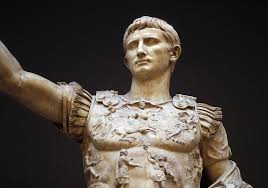
“He is a man like any other…He will become what he will become, out of the force of his person and the accident of his fate.” *

*Athenodorus, speaking of his pupil, Gaius Julius Caesar Octavianus (Augustus Caesar). John Williams, Augustus.
imgres-6

Are we ever the person we wanted to be?  The dreams of youth fulfilled, even the regret-tinged longings of middle age?  Or have the accidents of fate diverted us from those early ambitions, for better or worse?  Were our original intentions ever feasible, or even appropriate? Looking back with the presumed wisdom of hindsight is always misleading because we can’t know what we never knew. What we know, then or now, is such a thin slice of reality that it can barely be trusted. I waiver between these near extremes—on the one hand believing in the force of my person and on the other feeling diverted by these accidents of fate. Why the choices I made versus any others? Why this friend rather than that one; this marriage rather than another? There are many, many forks in my road, choices that either I make or were made for me.

And those we believe are made for us are also choices we made ourselves.

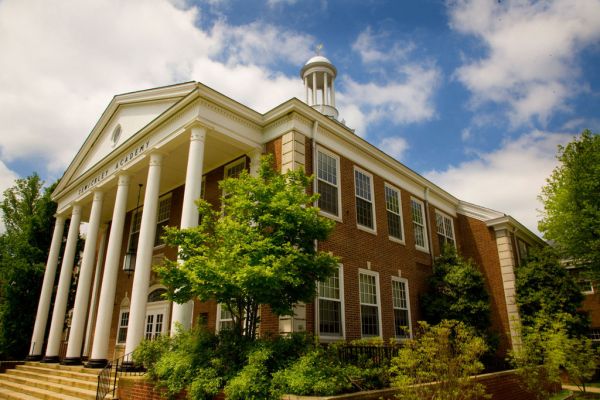
From the time I was in middle school I wanted to be an English teacher. Literature was my reality and I saw that there were people who made that reality their career. I read and read and excelled—the top English student at my small school in Sewickley, Pennsylvania. I won the English Prize at graduation (having barely passed chemistry that year.)
sewickley-academy-lower-school

In college I majored in English and attained high honors. I wrote my junior thesis on Virginia Woolf and my senior on W.B.Yeats. My favorite course was C. Douglas McGee’s Literature as Philosophy—a profound experience, coming as it did at a traumatic time in my life. It bound me to Doug and his wife Phoebe until both were gone many years later. One of the last letters Doug wrote when dying in Austria was to my son David. I can recall a few of the many books we read in Doug’s course even now: Conrad’s Victory, Doctor Faustus and The Magic Mountain by Thomas Mann, George Santayana’s The Last Puritan, Eliot’s Four Quartets.

doug-mcgee

We shall not cease from exploration 
And the end of all our exploring 
Will be to arrive where we started 
And know the place for the first time.


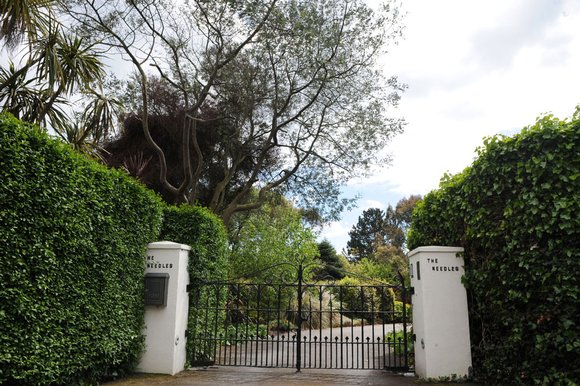
My passion for Yeats and the Irish Revival led me to a graduate degree in Anglo-Irish Literature at Trinity College, Dublin. I rented the near empty shell of a once grand Georgian house called The Needles on a cliff above Dublin Bay in Howth and my dream was a reality. The Howth Light cast its revolving and spooky beam though all the curtainless windows night after night. A ghost resided in the empty wine cellars beneath the basement, the caretaker claimed. My living space was carved out of the former servants’ hall, beneath the main floor of the house, though opening out to the back tangle of overgrowth leading to the cliffside and the banks of gorse and wild roses concealing the rocky slope down to the water. The house had no functioning central heating, only fireplaces and one electric heater that followed me around during the chilly months like a faithful dog. Next door was the rhododendron filled border of the desmaine of Howth Castle. The Earl of Howth came by once to inspect his young American neighbor. I would see him walking his wolfhounds along the cliffs early in the morning. This reality was indeed like a dream.
timeandplacehowth_156923k


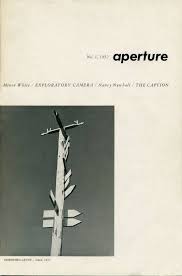
How does one sustain this kind of dream? After graduation I returned home, having been accepted to the PhD program in literature at the University of Chicago. I never went. Instead I moved to my mother’s cousins in Darien, CT and looked for a job in publishing in Manhattan. On a whim I wrote to Michael Hoffman, the publisher of Aperture, the renowned photographic quarterly and book publisher. He responded and asked to meet at his townhouse on East 37nd Street. From the moment I walked in the door he assumed I would come to work with him at Aperture’s editorial offices in Millerton, in Dutchess County. I became the managing editor— an accident of fate that changed the entire course of my life. I can’t call it force of my person beyond the decision to write in the first place. Events unrolled with their own force.
imgres


I moved to Millerton, first renting a room in a Gothic boarding house in Pine Plains called The Pines. It was straight out of Charles Addams. Michael was deeply amused. Later I moved to Salisbury, CT over the New York line, then later yet back to Pine Plains to the Willow Tree House, my tiny cottage shrouded under an immense willow and covered in Dutchman’s Pipe.

imgres-1


Michael’s vision was to create a commune on his Shekomeko property. Though it never came to pass, I spent many days at his handsome 18th century farmhouse, many dinners, many weekends there with his friend and patron Authur Bulowa, visiting photographers, and itinerant fellow travelers such as Jonathan Williams and his Jargon Society cohorts.

jw_middlecreek


People come and go in our lives, and all of the friends I had then have all disappeared. Christopher Hewat. Ann Kennedy. Mike McCabe. Mark Goodman. Jay and Steve, gentlemen farmers from whom I rented the Willow Tree House. Some are gone entirely: the complex friendship with Michael Hoffman. Paul and Nancy Metcalf. Dale McConathy, a friend and another fork in the road, life’s pathway.  Now dead nearly two decades. What a long time ago. I wonder about these friends often, those gone and those lost.

imagesimgres-2imgres-3shelf_life5imgres-4

Those days are like yesterday.

Forks abounded with what seemed quick succession: New York, Artists’ Postcards, marriage, business school, advertising, children, Spain, Singapore, Australia, back to New York, Midwood and Joan,  flights everywhere, Paris then Japan, divorce, San Francisco, swimming, remarriage, grandchildren, today. That’s thirty years of life, by force of my person and the accidents of my fate.

midwood_front_door


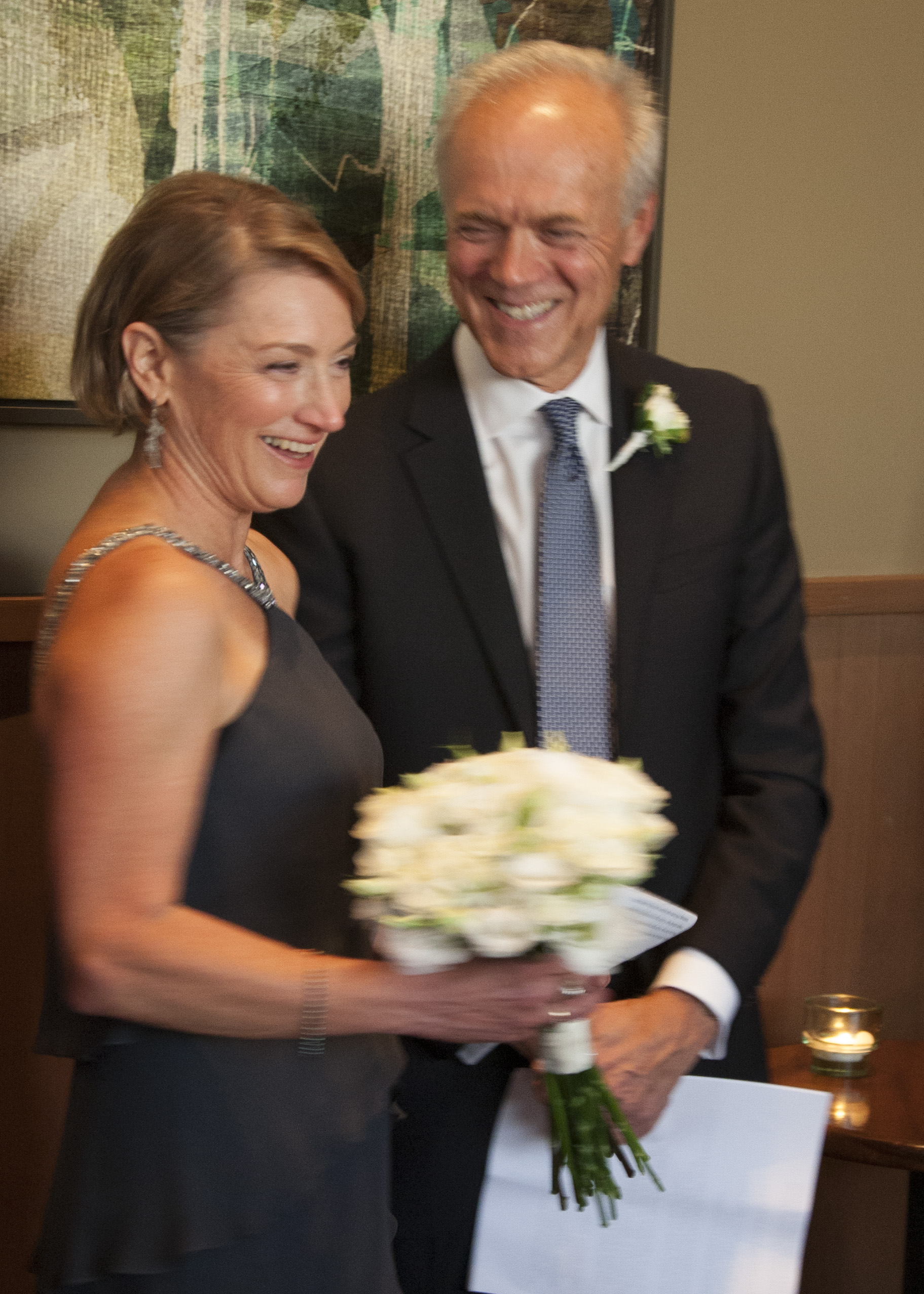
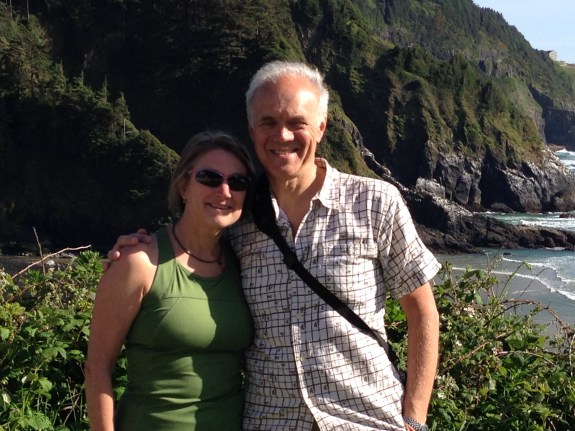
Today’s my second wedding anniversary with Brenda. Was it fate that we met? Was it force of person that we married? A lovely conjunction of both. That’s the way life is lived.
img_5919


The Big Swim

It’s been a year of big swims at the South End Rowing Club: Steve, Andrew and Cameron across the cold, challenging North Sea; Asha in force five winds across the English Channel; Sue checking off all twelve bridges in Portland’s Bridge swim; Sofra nailing both Catalina and the length of Tahoe, only weeks apart. Ryan setting the record time for another length of Tahoe; Melissa’s Catalina butterfly. Kim will soon swim for over forty-five hours from Sacramento to San Francisco. There have been other Tahoe lengths, by Susie, Scott and Elaine. More Catalina’s.

_DSC5564


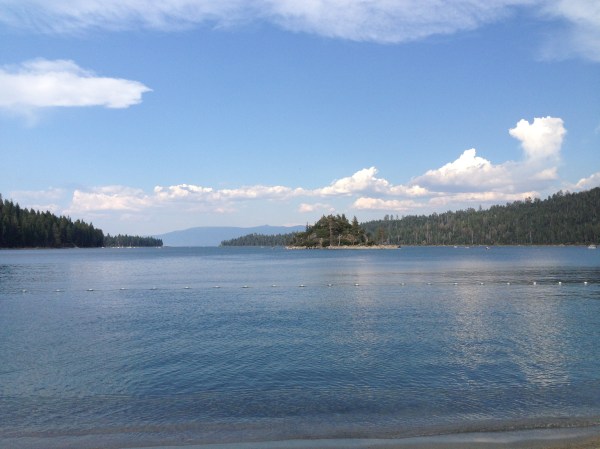
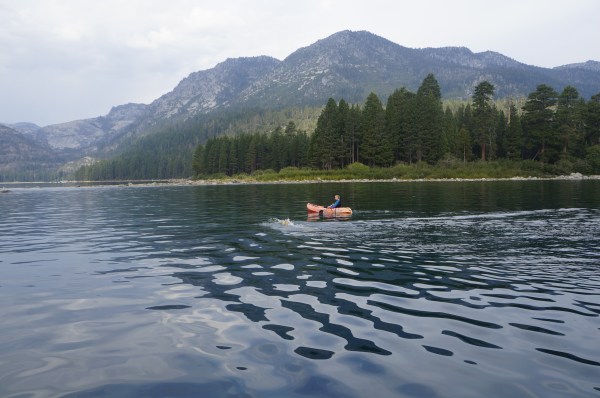
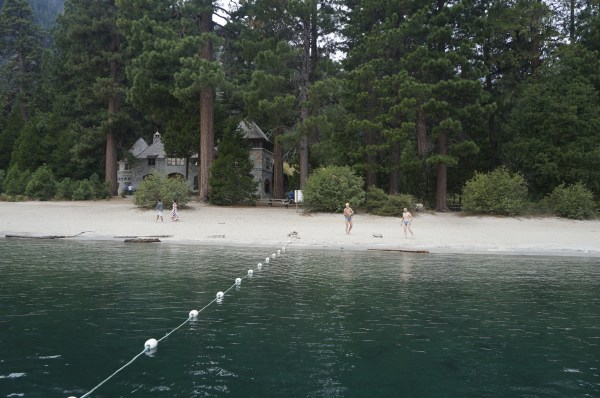
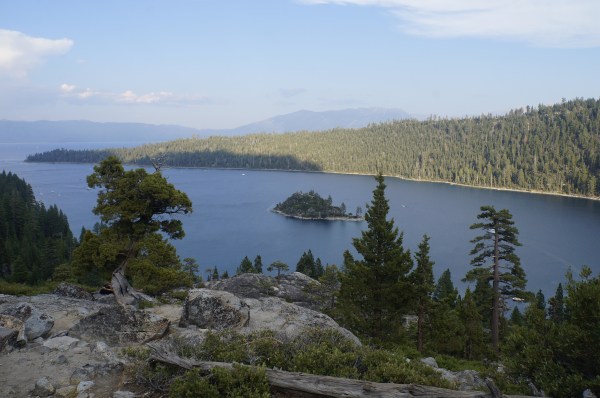
My swim this past Monday morning wasn’t quite so big (‘though champ Simon called it “a big effort”) or quite so challenging as these, but big enough for me. It was a challenge I set for myself to celebrate turning 65: swim across a diagonal width of Lake Tahoe. Swim Commissioner and Tahoe swim master pilot Tom Linthicum devised the route he’s dubbed The Viking: Cave Rock on the Nevada side of the lake to the top of Emerald Bay in California. It’s called The Viking because to complete the distance the swimmer must walk up the beach at Emerald Bay and knock on the door of Vikingsholm, the 1929 Scandinavian inspired mansion that sits at the head of the Bay. It’s hoped that Odin might answer. It’s been a popular swim this summer, with Mina, Cathy, Robin, Kim, Andrew and Zach already completing it.

fullsizeoutput_2362


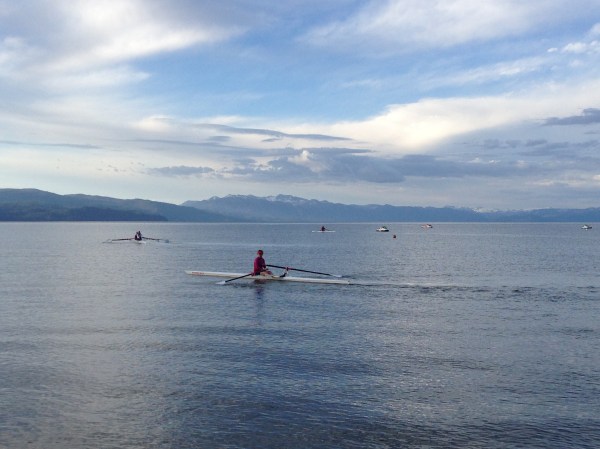
Inspiration came the year before when I swam in Tahoe’s mountain ringed, azure waters for the first time while accompanying my wife Brenda at the North Tahoe Rowing Regatta. The fresh crystal clear water transfixed me. I knew about the Olympic Club Trans-Tahoe Relay, but wondered aloud whether anyone swam across solo. Brenda said of course and that’s when I decided perhaps I could do this.

IMG_0196


Things got serious after my birthday in January, when feeling older in body than in mind, I made the commitment to swim across the lake. I joined the USF master’s swim team to improve my speed and technique and with Brenda’s expert help laid out a program of training swims once the Bay began to warm up in May.


The journey leading up to the swim has been as rewarding as completing the swim, the biggest surprise being my delight with being back on a swim team and competing. From the time I was eight until senior year in college I was a competitive swimmer, with a few records and achievements to bank on. I swam on and off over the years since, but never competitively again until this year. Now, with both the Pacific Masters short and long course championships behind me, I’m back in the competition groove, enjoying my team, Coach Val and improving my times. Our team has a healthy older contingent so I look forward to years of active participation.

IMG_0253


Training in the Bay has had its own rewards, both in increasing my endurance and improving mindset. After swimming nine continuous coves, for over four and a half hours, I knew nothing could be as bloody boring as that. I tested feeding routines, settling on a combination of CarboPro mixed with Hammer Gel, with a few Gu’s and suckable baby food (apples, blueberries and oats) in between. (But, I never acquired the skill to pee and swim at the same time without stopping.)


From beginning to end, Brenda guided my planning. There wasn’t any question that my crew would be Brenda together with our good friends Jim and Michele Knight—Jim being a fast and expert swimmer himself. Tom Linthicum would captain the boat and lead the swim.


We arrived in Tahoe on Saturday afternoon and headed straight to Emerald Bay so that I could see my destination—get a good fix on the house and the beach where I would be finishing. We walked the mile down to Vikingsholm beach, where Jim and I took a test swim in the warm water. Any anxiety I had about getting cold while swimming was alleviated. Compared to San Francisco Bay, the clear fresh water was balmy.

IMG_0436


After dinner made by Michele at home (we had rented fellow SERC member Trudy Molina’s house near Tahoe City for the long weekend) we all turned in around 5:00pm, since we were getting up at midnight to meet Tom at his boat—the Ghost Rider– moored in South Lake Tahoe at 2:00am. Once there, we made final preparations, securing glow lights to the kayak, organizing my feeding bottles, making little last minute adjustments to how the swim would proceed. We set off from the dock and motored over a few miles to the small boat launch at Cave Rock in Nevada, ready for the 3:00am start.


The night was cool, not cold. Light from a half moon behind overall cloud cover barely broke through the general darkness. Brenda was my first kayaker. Once she had the kayak in the water, we were ready to go. Tom moved the boat out into the lake, Brenda began paddling, and I walked down the boat ramp and swam out into the black, flat mysterious water.


Swimming is always solitary—even on a relay. Swimming in open water is doubly so since nothing is remotely in control of the swimmer except his own movement, his own thoughts. Swimming at night in the dark, in the dark lake water, creates its own watery cocoon of awareness. The only things to see are the glow sticks glimmering ahead on the kayak.


During one of my training swims I had counted my strokes from the end of the South End dock to the flag at the west side of the Cove: 335 strokes, about a quarter of a mile. I used this mental yardstick as I swam across the lake. One cove down, two, three…Sometimes I would lose count, especially if interrupted by a feeding, and start over; or just count 100 strokes, multiple times. It passed the time. By the end I was counting 10 strokes, 10 strokes, 10 strokes.

IMG_2958


At dawn I figured I was about half way across. Oddly, time passed more slowly in the daylight. Maybe it was because distances are so deceiving on the water, especially from the swimmer’s point of view. When I reached the opening of Emerald Bay I knew I was on the home stretch. It seemed to come easily up to that point—despite often veering off course, swimming away from my kayaker. Then my boat crew—Brenda, Michele and Tom—would all yell out “stay with the kayak, stay with the kayak!” Tom even held up a sign at one point STAY WITH KAYAK. Did I swim an extra quarter mile all those times looping back to my guide? I have no explanation why I often swam off to the left. Pulling harder with my right arm?

_DSC5590


Swimming the length of Emerald Bay, in the early morning, is a magical experience. Tiny Fannette Island, the only island in Lake Tahoe, floats near the end, with it’s ruined stone “Tea House” perched on top. The length of the bay is over a mile long and again the distance looks deceivingly close. I thought I would never get to the island! About a hundred yards from the beach Jim jumped in and swam along side me. As evidence of how tired I was feeling, Jim swam sidestroke as my freestyle was slowing down. Mostly it was due to my hip muscles aching.

_DSC5600


Once walking out on to the beach, I had to make my way up to Vikingsholm’s front door and knocked. Oden didn’t answer, and only a few tourists were about, no doubt wondering what this hobbling guy with the white Desitin covered back was doing. Jim and I swam back to Tom’s waiting boat, the kayak already having been brought on board, and we headed back to the marina in South Lake Tahoe. I shivered—cold for the first time—and grinned like the happy swimmer I was. Six hours and fifty-one minutes. My goal was to make it under seven hours.

_DSC5657


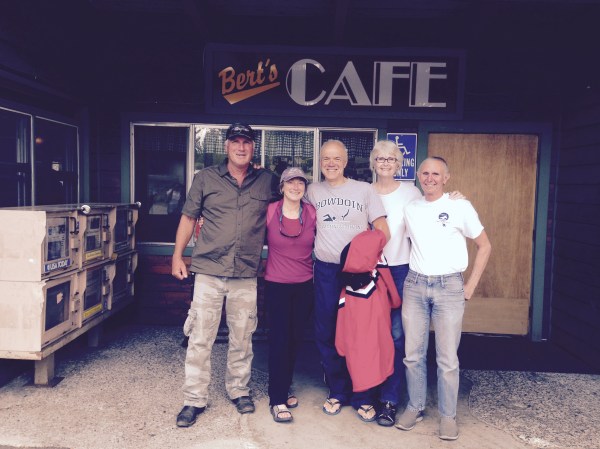
Once everything was packed up at the marina the five of us—up all night—went to Bert’s for breakfast and celebration. My swim was over, a success, a goal achieved.

fullsizeoutput_2360


Las Vegas

IMG_0308


Las Vegas. Everything about this town is absurd. There’s no reason I should like it. I don’t gamble. I don’t drink. I don’t smoke. I hate 115-degree afternoons in July. I can’t afford half the merchandise in its glittering high-end shops. None of the hotel swimming pools are any good for lap swimming. Many of the visitors are wholly objectionable. But for a few days, every once in awhile, I really like Las Vegas.

IMG_0310


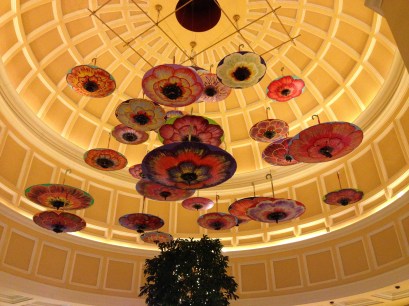
If you abandon all sensibility Las Vegas is a tiny wonderland. Days of the week disappear. Day and night can disappear. Time disappears. It’s so funny that watch stores abound, yet there are no clocks anywhere. Inside the vast casinos there are no windows. No daylight. Music descends from the sky, inside and out. Inside the Forum at Caesar’s inside looks like outside. Everything is ersatz, nothing is real. That’s the magic of it all.

IMG_0306


I spent five days in Las Vegas this week attending COSMOPROF, the huge cosmetics trade show. (A cosmetics trade show is as unreal as the town itself.) I stayed at the MGM Grand, where I had stayed once before—years ago back when COMDEX was a separate computer event, not combined with the Consumer Electronics Show. I remembered a huge, 100m+ long pool, ideal for workouts. That pool is gone, replaced by acres of many pools and bars and a snaking river of water that on one 110+ degree afternoon was crowded with couples, families, bands of about-to-be drunk young men, all holding exotic drinks in pastel cups, winding along the waterway in a trance of overheated happiness. Too hot, too crowded for me.

fullsizeoutput_1cdc


In the daylight Las Vegas is a sad construction, an outdated amusement park without the thrills. At night, though, Las Vegas turns on its charms. The fountains sparkle, the brilliant lights on Las Vegas Boulevard flash, the silly hotels suddenly become palaces of delight. Are we in Paris? Venice? Ancient Rome? The Middle Ages? Water jets play their fantasy; walls of water cool the street. Nowhere is shopping fancier, more experiential and concentrated. Where else in the span of about half an hour could you buy a half million dollar Richard Mille watch, a hundred inch strand of Mikimoto pearls, a fifty carat Harry Winston diamond ring?

fullsizeoutput_1ce3

Las Vegas sits in a basin on the floor of the Mojave Desert, surrounded by mountains.  By any reckoning there shouldn’t be a city here.  A make-believe city in a make-believe landscape. Natural water resources are scarce yet water is everywhere, like manna from Heaven.

IMG_0338

Returning to San Francisco, to a cool foggy evening, was a relief on many levels.  Back to reality.  Yet I’m grateful for those few days of heat and fake glamour and wild diversity.  I’m glad Paul Smith had my missing blazer button–small pleasures add up.

IMG_0352

Back East

Again, Joan Didion:

Part of it is simply what looks right to the eye, sounds right to the ear. I am at home in the West. The hills of the coastal ranges look “right” to me, the particular flat expanse of the Central Valley comforts my eye. The place names have the ring of real places to me. I can pronounce the names of the rivers, and recognize the common trees and snakes. I am easy here in a way that I am not easy in other places.

I’m thinking about this after spending ten days “Back East,” first in the Hudson Valley, then Boston and Providence, ending in New York City. We never speak of “Back West.” It’s “Out West,” someplace we go to, from Back East– where we came from. This is the popular narrative. So few people I know in California actually were born there. They all went Out West—it’s a destiny foretold in a thousand stories and films.

Back East, I’m easy in ways I’m not easy Out West. The beauty of the golden Sonoma hills, with their copses of live oak dotting the landscape, is someone else’s comfort. They look right to someone else’s eye. To my eyes they’re foreign, exotic—scenes an early California landscape painter might capture.

Having never expected to live in California, having never even entertained the possibility for most of my life, I’m astonished– and delighted– that I live here now. I always imagined I would eventually return to Maine. Or that work would take me again outside the country, perhaps back to Asia. I liked being an expat. When I moved to San Francisco in 2008 it was a serendipitous combination of work and escape. Wanting—needing– to escape from New York and a particular life I had led and lost, San Francisco fell into my lap, the right place at the right time. I’m grateful for the job that moved me here, and for the life I’ve found here. Yet this, too, is a kind of expat’s life. Out West, not Back East.

Images that remain strong in my mind:

Endless summer evenings driving my father’s red convertible through the rolling back roads of Sewickley Heights, so dense and green in their leafy affluence.

f9487438d91d43D-1211343

The walk through the pine and birch woods from Small Point to Popham Beach in Maine, a walk I dubbed the Transcendental Trek. Popham Beach itself, still to me the loveliest beach anywhere, where on hot August afternoons we would walk at low tide to the small island where a Bates student had been swept off the rocks and drowned forty years ago. Later I learned our family friend Dick Sampson had been the professor along on that ill-fated field trip.

imgres-1

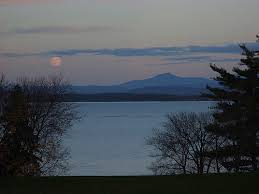
The views from Camp Dudley Road in Westport, NY—Lake Champlain and the Green Mountains of Vermont stretching out to the left and the Adirondacks to the right, across gentleman fields of just harvested hay, the rolled bales standing as reminders of other, older times. (Once when skiing with Adam high on the Matterhorn, I banally commented on how beautiful the glistening white Alps were. He replied, “not as beautiful as the views from Camp Dudley.”)

images-1

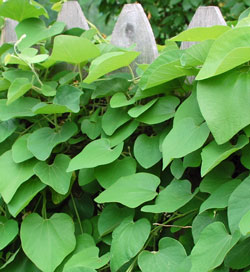
Cresting Under Mountain Road connecting Millerton to the hamlet of Shekomeko in Pine Plains, Duchess County, the not-so-far off Hudson out of sight but its presence felt in the dips of the intervening hills and valleys. I drove over this hill every day for more than a year when working at Aperture, no two days alike—the sky always changing, the color of the trees in autumn, lilacs in spring in old farmyards, snow blanketing the fields in winter. Crows on falling down fence posts. My address was Willow Tree House, Country Route 22A, Pine Plains, New York. On the field adjacent elephants from Barnum & Bailey had once summered. My porch was entwined with Dutchman’s Pipe, its heart-shaped leaves forming a shady cocoon of old-fashioned benevolence. (I imported Dutchman’s Pipe to my San Francisco garden as a reminder of that small house and those other times. It’s thriving.)

pipevine

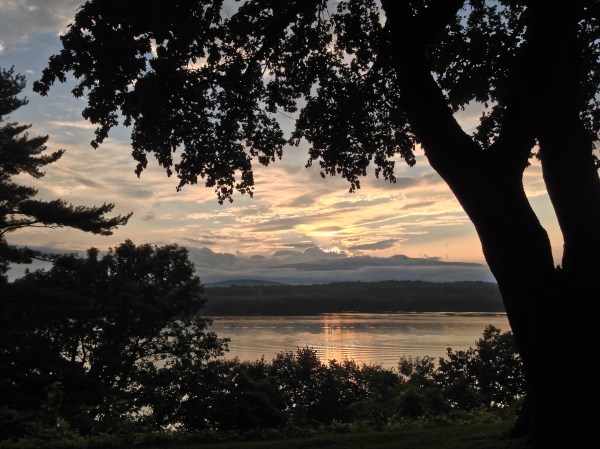
The view across the Hudson River from Midwood’s back porch, the river slate and cool, the Catskills black against the horizon, no human touch intruding. The civilization this place, this view, implies.

IMG_3995

Old country roads in the Berkshires. Memories of the Red Lion Inn, of what might had been.

imgres-3

Lake George in the summertime.

imgres-4

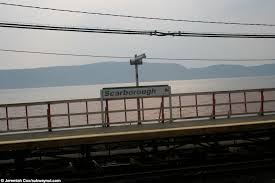
The Hudson River from the Scarborough train platform. For ten years I stood on that platform watching the river, and opposite, the Palisades, in all its changing seasonal raiment, wonderful even in the frigid winter when the river was frozen over and the wind felt straight from the Arctic. The Hudson Line is one of MetroNorth’s glories. Anywhere else in the world it would be designated a Scenic Railway. I never denied when charged by my ex that the only reason we lived on the western, Hudson, side of Westchester County was because I preferred the river commute to the city.

imgres-2

These are my unifying images, landscapes that look right to my eye.

Cities, too, bear witness to easy familiarity. I feel more at home on Washington Square in Greenwich Village than on Union Square in San Francisco, where, after nearly eight years, I still feel like a tourist. Living for ten years at 24 Fifth Avenue on the corner of 9th Street, the streets of the West Village resonate with close familiarity yet. Not much has changed. When I think about walking over to the French bakery on West 4th Street when David was just a toddler, it feels like yesterday—yesterday thirty years ago.

I rarely return to New York without walking down Madison Avenue from the mid-80’s all the way to Grand Central. I walked there last Monday, stopping in, as always, at Crawford-Doyle, the most civilized bookstore in the city, an old and reliable friend. There’s nothing like this stretch of pavement in San Francisco: handsome older couples arm in arm, expensive women in Chanel and Harry Winston; teenage girls in Hermès boots and perfect blonde hair, Italian or French as commonly spoken as English.

What is it about these landscapes of our youth that remain so indelible? Why should I find more contentment in the pine bordered rocky coast of Maine than in the sea stacks of Mendocino? Why should the Pacific look different to my eye than the Atlantic? Is it actually a physical impression, or is it the associations I bring to each?

I’ve been lucky to experience many other great landscapes far from my familiar territory. Milford Sound, the Lauterbrunnen Valley, hiking the jagged ridges of Montserrat near Barcelona, the frozen Jungfrau, Victoria’s Dandenong Ranges with its giant tree ferns straight from the Jurassic Period, the Outback of Western Australia, Hudson Bay. Would I trade any of these for a summer afternoon on Islesboro Island? In a heartbeat.

Today I’m working hard to create new unifying images in my life. I may have found one, one that sparks joy whenever I stand at the lookout in Sea Cliff at the end of our street and look across the Golden Gate to the Marin Headlands, the Pacific opening out to the west. The view is becoming familiar, a part of where I live. I swim in the cold water below. I know China Beach and the coastal trail leading away from the lookout to Lands End and Ocean Beach. I can make these images right to my eye. I love walking over in the early evening—always my favorite time of day—and watching the sun set with the sky ablaze over Point Bonita. Sometimes we see dolphins off China Beach. They never fail to thrill. Sometimes I swim near them—unnerving but reassuring. It’s said they keep sharks away.

IMG_8496

Here, too, is where I’ve found happiness in marriage. Ocean Beach will forever be where I walked with Brenda on an early date, finding sand dollars, getting to know one another. I held her hand. A new beginning.

imgres-5

Lost

“There is no real way to deal with everything we lose.” Joan Didion, Where I Was From

imgres

I thought of this sentence when earlier this year I read about the sorry destruction of the Hotel Okura in Tokyo, “renovation” so misguided that even the eternal developer’s quest for greater return on square foot investment seemed inept, flatfooted, even heretical. The Okura’s demise made me sad in ways well removed from the reality that I was unlikely ever to return to its perfect ‘60’s elegance—one of the most elegant expressions of that period ever designed. Over a three-year period I had stayed at the Okura maybe twenty times. These were the years of the unraveling of my former marriage, the deconstruction of a life I realized with disillusionment was built on soggy wetland, never the bedrock idealized in my imagination. Japan was an escape, and the Okura was the dream made physical, a place where home was seven thousand miles away.

Okura.lobby


There’s a scene in Lost in Translation where Bill Murray is sitting alone in his Tokyo hotel room at night, his own marriage failing, receiving a fax from his wife back in the States. More than distance separates them. He could be on Mars. The extreme foreignness, strangeness, of Japan is both disorienting and liberating. I’ve been there, felt that, too. It’s a place where I once was…literally so, since I, too, have stayed at the Tokyo Park Hyatt where the movie was filmed, sat alone in the top floor bar, drinking too many fine sakes, swimming off my heavy head in the crystal pool early in the morning. Another world in another world, far far away.

imgres-1


The Hotel Okura as I knew it is gone; I no longer travel to Japan; that marriage is over; that job is over. That time of my life is over. I’ve “moved on” as the narrative demands. Life improved.


We lose many things in our lives. We lose umbrellas, hats, pens, everyday things that don’t amount to much. Some things we lose are inevitable: childhood, pets, grandparents, parents in their time. We grieve for these losses, absorb them into our lives and transform their absence into a different reality. The dead remain with us.

images

We lose tiny pieces of our past, too, like losing pieces from a favorite jigsaw puzzle. We remember what the picture looked like, but that patch of blue sky is missing. Places and people come and go, many without consequence. I’m thinking today of a few that my memory of them comes laden with meaning—memories of times and places that stand out in soft relief from the background noise of otherwise uneventful days.


I remember when I moved back to New York from Australia and discovering that once-favorites places were gone: the Russian Tea Room; Copenhagen, where I used to go every May 17th, which happened to be Norwegian Independence Day; the sublime Honmura-An closed, its owner needing to return to Japan to run his deceased father’s restaurant; Patina Antiques, the tiny eccentric shop on Bleecker Street where I’d found many treasures. The shop had been robbed, the owner’s young partner murdered. The shy owner committed suicide the next day: a local tragedy, mostly unnoticed. A pair of brass candlesticks in the shape of coral branches with a trio of turtles at each base sit on my dining room table today as a kind of memento mori of that place, that time.

images-1


Lost friendships cut deep grooves in our lives. Some friends are tied to a specific time, blossom there and then fade when that time passes. Some friends die. Some friendships end in unexplained ruptures. I once had a friend who on our first time alone told me that people come into our lives, “for a reason, for a season or for a lifetime.” The lesson from that friendship was never bank on one outcome–and indeed the actual outcome from that friendship proved more profound and life-changing than the once hoped for outcome. Again, the narrative demanded “moving on” and moving on was good.

Loss can be a matter of perspective, too. Here today, gone tomorrow, we grow older, our children grow up, something new replaces something old, chapter after chapter. It’s a process. I guess that’s called living a life.

I don’t know whether my life has been any more episodic that the next person’s. I can construct a storyline, dots connected by an unbroken line. It makes sense in a fractured way. Sometimes, though, the story comes unglued and I wonder did I really do that, was I really there, then? I think about my life in terms of geography, time and place being inseparable: Pittsburgh, Maine, Dublin, Dutchess County, New York, Barcelona, Singapore, Australia, Paris, Japan, Westchester, San Francisco. A life’s itinerary. Heraclitus observed that the man who looks at a river isn’t the same man who steps into that river. I think I can say that stepping into each of my life’s many rivers has been an expansive experience, that the man I am today is a bigger man than the one seeing life in old Berkshire orchards, or driving alone to breathe the soft evening air settling over that long ago battlefield at Roncevalles. Those were dreamy times, disconnected from even the reality I was living then.

3143217602_a77b65fac1_b

Time out of time; there appears to be a pattern. A doctor once told me a story of asking a noted psychology professor whether the pain of heartbreak would ever go away. The professor replied, no, but that we grow bigger and the pain becomes a small thing, not without consequence but lacking the sting it once had.


The way we deal with what we lose is to continue, like running a marathon (so I hear), one foot stepping out ahead of the other until the end. Joan Didion often quotes a young surviving member of the ill-fated Donner Party, who wrote as advice to others making the cross-country journey, “Don’t take no cut-offs and hurry along as fast as you can.” I didn’t follow that advice, though. I’ve taken many cut-offs and progress has often been slow. I’ve rarely hurried anywhere.


Time becomes memory, too. Without memory, there isn’t any concept of time. Memory of the world we knew—“of any balm or beauty of the earth”—is all the divinity we seek.


We live in an old chaos of the sun,
Or old dependency of day and night,
Or island solitude, unsponsored, free,
Of that wide water, inescapable.
Deer walk upon our mountains, and the quail
Whistle about us their spontaneous cries;
Sweet berries ripen in the wilderness;
And, in the isolation of the sky,
At evening, casual flocks of pigeons make
Ambiguous undulations as they sink,
Downward to darkness, on extended wings.

wallpaper-49523

What We Know

A few years back I was teaching an MBA class on technology marketing and used Digital Equipment Corporation as an example of a company that failed—spectacularly so—to foresee the rise of the personal computer. I talked about DEC’s decline and eventual, ironic, sale to Compaq Computer, which in turn due to its own market-forces squeeze was sold to Hewlett-Packard in tempestuous circumstances. I might as well have been describing events in the Age of Pericles.

images-1

 Had this been a course outside the students’ major I might not have been so surprised. (But, in this very same class, I happened to mention Elizabeth Taylor on the day she died. No one had ever heard of her.) This got me wondering about the need for context and the value of knowing things—things specific to our fields of interest, things happening in the world, things that happened in the past, things in general. How important is it to know things? To read? To look beyond our friends’ Facebook postings?

Writing in a recent New Yorker, John McPhee talks about our losing frames of reference, that our collective vocabulary and common points of reference have been disappearing at a faster rate than ever before. He quotes the Times columnist Frank Bruni, “If you…want to feel much, much older, teach a college course. I’m doing that now…and hardly a class goes by when I don’t make an allusion that prompts my students to stare at me as if I just dropped in from the Paleozoic era.” Bruni went on to ask, “Are common points of reference dwindling? Has the personal niche supplanted the public square?”

During this winter term I taught a class at Stanford I felicitously titled, “Does Advertising Still Matter?” My idea was to examine the classic principles practiced by the masters of mid-twentieth century advertising, people like David Ogilvy, Bill Bernbach and Mary Wells, to see if they still held true in today’s digital and social landscape. The first two classes were history lessons, examinations of the revolutionary campaigns for Volkswagen, Avis, Braniff… along with Bernbach’s timeless aphorisms, such as “A principle isn’t a principle until it costs you money.” Only one student in the class recognized the VW “Think Small” ad.

imgres

By the end of the term, we bent the principles to embrace the new rules of customer centricity—after all, it was David Ogilvy who remarked, “The consumer isn’t a moron; she’s your wife.” But translating the creative impulse behind “We try harder” into ephemeral media like Snapchat or Vine was a challenge. I was heartened that during the time I was teaching the class, AdWeek published a piece by one of my long time mentors, Keith Reinhard, in which he wrote, “Creating a brand isn’t the same as creating a buzz.”

On a larger scale, I see the same lack of reference becoming institutionalized in the advertising profession as a whole. Big Data has driven demand for technologists, data analysts, programmatic media buyers, platform specialists and other technology founded roles. It’s become an exciting world of microsecond precision targeting and accountability. Yet, in my recruitment practice, I haven’t seen a single client brief that asks for someone skilled in deriving consumer insights based on human insights. If all we look at are aggregations of data, aren’t we missing those precious sparks of human serendipity that make an ad something more inspiring than just…an ad? Can an algorithm spark joy?

Increasingly, what our clients want are ultra-round pegs to fit into ultra-round holes. Outliers, for the most part, don’t have a chance. Square edges? Forget it. Where novelty and a broad frame of reference might benefit the long term potential for growth and differentiation, agencies today opt for the immediate shiny object, the one that most mirrors back the image already envisioned. There’s no room left for Bill Bernbach’s observation, “Advertising is not a science, it is persuasion, and persuasion is an art, it is intuition that leads to discovery, to inspiration, it is the artist who is capable of making the consumer feel desire.” At least this appears to be the situation at all of the big, institutionalized agencies, whether digital or traditional. Everyone is trying to out-data the others. New roles are being created, new jobs with new skill sets filled.

So, does advertising still matter? My class answered with a resounding Yes. It has to matter, for better or worse, because it’s ubiquitous and entrenched into every aspect of our lives, unavoidable and ceaseless. Once, advertising was much easier to ignore. Today, we experience advertising whether we know it or not. With every keystroke we create meaning for marketers to interpret and refine their messages back to us. All we can do is hope that someone along that split second journey has an urgent need to aspire to a higher purpose, to infuse their words and pictures with inspiration and joy.

In his New Yorker piece, McPhee wrote, “Frames of reference are like the constellations of lights, some of them blinking, on an airliner descending toward an airport at night. You see the lights. They imply a structure you can’t see. Inside that frame of reference—those descending lights—is a big airplane with its flaps down expecting a runway.”

When Chiat Day created their famous “Think Different” campaign for Apple, they relied on a huge cast of brilliantly blinking frames of reference to land meaning and inspiration safely on the ground. They made the assumption that viewers would know who Richard Feynman was, or Martha Graham, or Jackie Robinson. I imagine most didn’t, but Apple being Apple made it uncool not to know. This doesn’t happen often.

images

 For myself, I’m going to continue to know things, new things every day. Maybe this includes a six second video, or rereading Proust, or simply looking at the natural world with fresh eyes every day. I find joy in associations, in bits of trivia, in lost words or new-fangled emoticons. I can’t imagine living any other way.   (Sometimes my wife remarks, “People haven’t used that word since maybe… 1955.”) McPhee asked whether our use of words or examples unknown to today’s students would illuminate or irritate. I think these are the wrong poles. We are who we are based on what we know and how we express that knowledge. I don’t strive either to illuminate or irritate—but only to give context and a frame of reference to me. It makes me happy. Others can interpret as they choose.

IMG_3536

China Beach

Swimming off of China Beach in Sea Cliff is a different experience entirely than swimming in the Bay. We’re in the ocean here, outside the Gate, one cove beyond Baker Beach, an inlet before the outward sweep of Lands End. The color of the water is deep jade green. It’s saltier and fresher than in the Bay, less silt. Out here there are waves and swells and on some days getting off the beach and swimming back can be a challenge in the heavy surf. I’ve been tumbled more than once. All summer long and into the autumn the water has been unusually warm, well into the 60’s. Old-timers like to say it’s too warm, but I’ll take these mild temperatures any day. The cold water will come soon enough and swimming off China Beach, lacking showers and a sauna, becomes an exercise in finding ways to get warm beneath blankets and sipping hot tea.

images

The world changes out here, moving from the sand to the sea.   Sensed texture and our perceptions of space change. In the water our bodies feel different, surrounded by a force that compels attention from all of our senses. Wendell Berry suggests this in his essay ‘The Rise’, where he describes setting float in a canoe on a river in spate. “No matter how deliberately we moved from the shore into the sudden violence of a river on the rise,’ writes Berry, ‘there would be several uneasy minutes of transition. The river is another world, which means that one’s senses and reflexes must begin to live another life.’

images-1

The ocean is another world. In it we live another life. Transition is elemental to open water swimming. Those first uneasy minutes are part of the pleasure and the agony. This is San Francisco, so even on a day destined to be warm and sunny, mornings are cool and during the summer nearly always foggy. As the water temperature drops, the transition becomes abrupt and sometimes violent, like a sharp punch in the stomach. We are not the same person after the plunge as we were standing on the beach.

Marriage is a transition, too. Brenda and I were married in October, exactly one month ago today. Our lives together began with a focus on the water, an experience both separate and as one. The ocean-born metaphors for our lives together come easily. And happily, the plunge has been a gentle one, warm water all the time. My breath still gets taken away, in delight and awe, not icy shock.

BrendaNiland_271

I said to Brenda the other day that one thing I missed living here in mild San Francisco was waking up on cold winter mornings after a heavy snowfall during the night. The world is so still and silent in the frozen early dawn, the air so pure and bright it’s almost visible, a thing to touch. This crystal time doesn’t last very long, gone by noon if not sooner. I always want those cold, white, quiet mornings to extend for hours, even days. Time never is long enough.

images-2

I’m reminded of Wallace Stevens’ The Snow Man:

One must have a mind of winter

To regard the frost and the boughs

Of the pine-trees crusted with snow;


And have been cold a long time

To behold the junipers shagged with ice,

The spruces rough in the distant glitter


Of the January sun; and not to think

Of any misery in the sound of the wind,

In the sound of a few leaves,


Which is the sound of the land

Full of the same wind

That is blowing in the same bare place


For the listener, who listens in the snow,

And, nothing himself, beholds

Nothing that is not there and the nothing that is.

Our lives are like that, too: nothing that is not there and nothing that is. I recently read an article in The Atlantic by a doctor who made the case that he didn’t want to live beyond the age of 75. His arguments were rational, informed by evidence of suffering diminished health, creativity, well-being and happiness as illness and cognitive decline take their toll. He believed that checking out at or around 75 was the dignified thing to do, not by suicide, but by declining any and all medical safeguards, remedies or life-saving measures. Nature would take its intended and inevitable course.

I don’t know. I hope I’ll die swimming in the ocean somewhere, not tomorrow, maybe not even when I’m 75. It’s a sweet idea, a rather wonderful kind of transition. I’ll keep that in mind.

imgres

Jargon

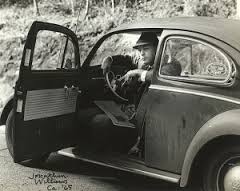
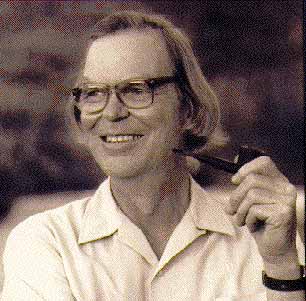
Another lifetime ago I was the treasurer and vice-president of a nonprofit literary publishing venture named The Jargon Society.  This began in the mid 1970’s, a by-product of my first job out of grad school as managing editor of Aperture.  Aperture distributed Jargon Books. The poet, essayist, photographer and all-around polymath-gadfly Jonathan Williams was Jargon’s publisher.  Jonathan was Jargon; the two didn’t live separately.  Jonathan was from Highlands, North Carolina where he lived all his life when not elsewhere which included Corn Close, his house in the Yorkshire Dales, and in other people’s guest rooms around the country.

images-4

Today, some thirty years later, I’m sorting through hundred’s of Jargon related letters, cards, pamphlets, books, ephemera of all kinds.  I’m donating everything to the State University of New York at Buffalo’s special collections library which maintains the Jargon Society and Jonathan Williams archives.  It appears I saved every scrap that came my way, not least of which being the dozens and dozens of letters from Jonathan himself.  Re-reading them is a journey back to another time and place, familiar yet remote.

How life changes.  How my life has changed since I was part of Jargon.  That was then and now is now and the divide runs deep.  This divide is at the heart of most sessions with my therapist today. What was that other life? Why a divide?  Why different today?

images-5

Jonathan Williams opened the door to a world I had always wanted to enter, a world of writers, poets, book people, people with ideas, photographers and painters, arts people, people with money who paid for all of these things, interesting, fascinating people–people not at all like the industrial people I grew up with it Pittsburgh.  People not at all like my father.

Every year we would gather in North Carolina for the annual meeting of the Jargon Society. Sometimes we would meet in Winston-Salem, home of Jargon’s chairman Philip Hanes; sometimes in Highlands; sometimes in Roaring Gap, again at another of Philip’s houses.  There would be the poet Tom Meyer, Jonathan’s partner; Philip and Joan Hanes, Don Anderson and his wife would fly in from Roswell, NM.  (I remember one time in Highlands Don’s wife mentioned she left the book she was reading on the plane.  When I said that she might call the airline to see if they had retrieved it, she said, no, that wouldn’t be necessary, it would still be in their Lear jet standing by at the local airport.) Mel Edelstein, then the Librarian of Congress, would be there; sometimes  Ted Wilentz, publisher of Corinth Books and co-owner with his brother Eli of the late Eighth Street Bookshop in Greenwich Village, still surviving when I first lived in the Village at 24 Fifth Avenue.  Doug and Bingle Lewis were friends then and fellow Jargonauts.  Doug was headmaster of the Summit School in Winston-Salem, a position he held for thirty-three years.  There would be special guest visitors, too, like the time the English poet Basil Bunting came and we all made a pilgrimage to the grave of Uncle Remus creator Joel Chandler Harris.


images-3


Jonathan knew everybody.  It mattered not to Jonathan whether you were a Blue Ridge quilt maker or a Winston-Salem underwear magnate.  His embrace enriched the lives of everyone he touched. He once took me to lunch with New Directions publisher (and fellow Pittsburgher) James Laughlin at his house in Norfolk, Connecticut.  He introduced me to the writer Guy Davenport, the reclusive New Orleans photographer Clarence John Laughlin, film maker James Broughton and Trappist monk Thomas Merton–people I couldn’t have imagined ever knowing otherwise.  One special friendship by way of Jonathan was with Paul and Nancy Metcalf. Jargon published many of Paul’s idiosyncratic books: The Middle Passage, Patagoni, Genoa.  Paul was Herman Melville’s great-grandson and lived in the Berkshires not far from Melville’s Arrowhead.  He and his Southern wife Nancy welcomed me, and in time my young family, with an openness I’ve rarely experienced since. Many happy weekends were spent at their house near Pittsfield.   Both are gone now.  I miss driving through the autumn Berkshire countryside with Paul visiting Melville haunts, or dinner at Nancy’s table where she might be serving roasted cow’s heart, or sleeping in Paul’s writer’s cottage with its well-worn set of the Britannica 11th edition.

paul

During that time I lived for a while in Salisbury, the northwestern-most town in Connecticut, and then in Pine Plains over the New York state line in Dutchess County.  I rented a tiny shack by the side of the road named the Willow Tree House. Dutchman’s Pipe entwined the front porch sheltered from the summer sun by an enormous, billowing willow tree.  Hence the name.  The tree gave the house charm it would have otherwise been without.  A stream ran through the back of the property, part of an old dairy farm still operated by its weekend New Yorker owners.  Next door was a pasture said once to have been the summer grounds of  Barnum & Bailey’s circus.  An old man down the road said he remembered seeing elephants grazing there.

Jonathan and Tom stayed many times at Willow Tree House, occupying one of the two miniature bed rooms under the eves upstairs from my two downstairs rooms.  Books filled the house along with a horsehair sofa and huge desk given to me by Paul and Nancy Metcalf.  I loved that little house.  Evelyn was then at NYU Law School  and would take Amtrak to the Rhinecliff station to spend weekends there.  It was the happiest time we ever had. I had my Maine Coon cat to keep me company–her name was Ivy, after Ivy Compton Burnett. I had many friends.  Many stories.

Aperture’s publisher Michael Hoffman lived down the road in his splendid 18th century farmhouse.  Michael’s ideal was to have his staff all live on the property, commune style.  This never happened, though we spent much time there.  Every weekend photographers and writers visited, along with Michael’s best friend and benefactor Authur Bullowa (of the watch–with a “v”–family.)  Tragically, Michael’s wife had been killed in an auto accident on the Taconic Parkway shortly before I was hired.  The first time I arrived at the house his two small children asked, “are you the new boss?”  Due to Michael’s impossible behavior, so many housekeepers had come and gone they wanted to know if I was yet another.  Michael was a difficult man, not loved by many.  Yet he treated me only with kindness and generosity and I owe much to what he provided and made possible in my life.  I got to know Paul and Hazel Strand, Minor White, Paul Caponigro–so many photographers I admired.  Michael was never a friend, and I rarely saw him after I left Aperture to move to New York.  I only learned well after the fact that he had died.  He and Jonathan had a respectful if never friendly relationship.  I think both wanted a bit of what the other had.

All of these people are gone now: Jonathan, Paul,Nancy, Philip, Joan, Don, Guy, Arthur, Michael. Most are no longer among the living and those that are, are gone from my life.  Those days are gone, too, not just as time passed but gone, gone, gone as a way of life.  I traded them in, made a left turn, turned my back on all that once gave me a particular kind of meaning.  I became bigger than all of that (so I thought) but smaller, too.  Something almost died inside.  I don’t think it’s gone.

6819403_1065904960


2013 in review

The WordPress.com stats helper monkeys prepared a 2013 annual report for this blog.

Here’s an excerpt:

A San Francisco cable car holds 60 people. This blog was viewed about 2,200 times in 2013. If it were a cable car, it would take about 37 trips to carry that many people.

Click here to see the complete report.

Swimming at Dawn

imgres

There are mornings when life spreads itself out like dawn breaking over water.  I see this swimming in the Bay as the cool pink light lifts to sunshine.   Watching a full moon sink below the Golden Gate Bridge as the sun rises over the East Bay is as magical as it gets.  Ahead Alcatraz Island floats in isolation, still dark and a little forbidding, and to the north the lights of Marin begin to give way to daylight.  Yes, the water is cold.  Not yet teeth chattering cold.  That comes later in the year.  I wonder if I’ll swim straight through the icy months of winter, when the water temperature can drop below 50 degrees.  My friends do, so I assume I will, too.  Somehow.

images

I have always been a swimmer.  It’s a lonely sport.  The camaraderie comes when not in the water. In open water you’re vulnerable to the currents, the wind, the temperature, boats and to all of those creatures you would rather not be thinking about. I haven’t encountered a sea lion yet, but I will.  Everyone does.  Sharks?  Apparently not.  What I encounter, though, are my thoughts.  In team sports you think about your place in the game, about the opponent, about your next move and theirs.  You are one of many.

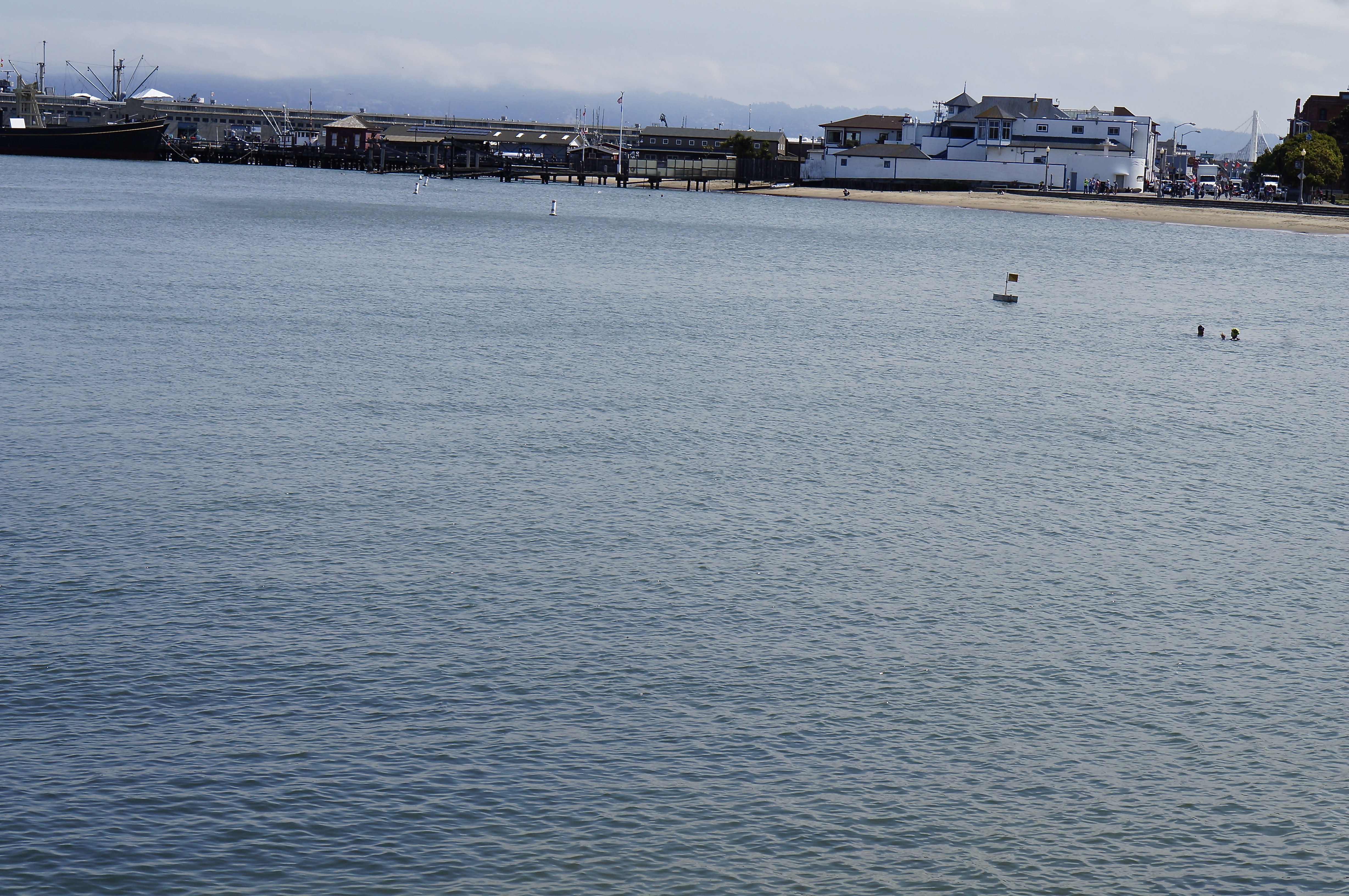
Out in the Bay I think about my life.  Sure, I think about making it to Ft. Mason or whatever the morning’s destination.  I think about my breathing, my stroke.  But bigger thoughts flow through my mind, too.  How good it is to be alive, here, now, in this dark water.  How big the sky is above the Bay.  How beautiful the city looks.  How special is this moment; how lucky I am.

The first time I flew in an airplane was from Pittsburgh to Charlotte, NC.  I flew with my swim coach Al Rose and three teammates.  I was fifteen, swimming in an older age group. We went to a meet to swim one event, a 400-meter freestyle relay, in which we meant to set the national record.  We did.  I set three other individual national records that year.  I continued to do well, and achieved some distinction.  That was a long time ago.

imgres-1

I swam because I was terrible at all other sports, to my father’s immense displeasure. I swam because I didn’t have to play on a team and suffer the humiliation of being the last picked.  When in middle school I began to swim competitively I exempted out of gym.  Oh happy day!   I never went to gym again.

I swam because I could do it alone.  I was often alone, an only child of social parents who were rarely there.  For years I ate dinner alone at a club every Friday and Saturday night.  I wonder now what the kind waiter thought.  Some weekends my childless aunt and uncle would invite me to stay.  We would go to a drive-in theatre and have pizza, a treat and a transgression.  They came to my wedding and college graduation.  My father didn’t.  My aunt died in a nursing home ten years ago.  My uncle still lives there, annoyed that at ninety-four the State has taken away his driver’s license.  I wish I saw him more.

During the years of my divorce—it went on and on—I would have a few glasses of red wine at dinner and then head for the pool.  The wine in my blood and my body in the water was, unfortunately, a peace-inducing tonic.  Nothing mattered.  The sadness of life disappeared.  For an hour I was happy.

images-1

Later, after a serious bicycle accident, I was out of the pool for a year, rehabilitating my right arm.  I have a metal elbow now.  It’s taken a while to get back in shape, and I’m not there yet.  My endurance is poor.  Swimming against the current in the Bay is helping.

Sometimes in the late afternoon I walk down Hyde Street to the South End Club and swim for an hour by myself.  The wind picks up later in the day, and the water is generally rougher.  Not rough by any serious swimmer’s standards, but wavy enough to feel the small up and down swells.  Alone I feel like a boy again.  Swimming does this.  In the water we’re always the same age.  I take heart at the many “old” swimmers, men and women, at our club who cherish the cold water every day.  I want someday to be them.

None of my boys became swimmers.  As kids they swam on our club’s swim team. I’m not sure whether they enjoyed it.  They played ice hockey and soccer and tennis and baseball.  All are highly proficient skiers.  David taught skiing at Killington in Vermont. Adam out-skied me in Zermatt when he was just a teenager.  Sam is a champion figure skater, and coaches still.  Because of skating he met his lovely Finnish figure skating wife.

IMG_1821

Brenda my girlfriend and her swimming friends at the South End Club are all vastly more experienced open water swimmers than I am.  I’ll never be able to earn what they have achieved.  Yet I treasure what I have.  It’s opening doors I didn’t know existed.  I don’t feel alone anymore.

_DSC3941

Everyday an opportunity arises to create something that didn’t exist before.  Everyday swimming in the Bay is a new experience.  What we experience today didn’t exist yesterday.  Unlike swimming in a pool, swimming in open water creates its own future.  Heraclitus wrote that the river we see is not the same as the river we step into.  The Bay isn’t the same.  While walking home from morning swims I look back at the Bay. It’s an astonishingly beautiful sight. The panoramic sweep from the Bay Bridge to the Golden Gate never fails to take my breath away.  The clear light falls on the Marin Headlands, the Marina shines.  On these gorgeous mornings I can’t believe I live here.  The further up Russian Hill I walk the wider the view expands to look across North Beach to Telegraph Hill, Coit Tower standing as a proud landmark.

At night the city sparkles. The light show playing its electronic rhythms on the Bay Bridge is a tribute to this City on the Bay.  I watch it from my apartment.  Looking north on clear nights the lights across the Bay in Sausalito wink in what I imagine as happy harmony.  Sometimes the moon shines on the black water, a silver sheen surrounding Alcatraz.  Its lighthouse is a beacon for ships, and a beacon for our lives.  Odd how a place infamous for misery now can renew itself as a destination of desire.  Our club conducts a swim from our beach, out around the island, and back to shore.  I want to do this one day.

images-2


A happy death to me would be to die in the water.  Pamela Harriman died swimming in the pool at the Paris Ritz.  I don’t want to die anytime soon, but that will come and the water would be welcoming.  When I was snowshoeing in the Arctic last Christmas I imagined how novel it would sound for my boys to say their father froze in Finnish Lapland.  That happily didn’t happen.  Water is only another form of ice.  We can’t predict these things, and wouldn’t want to.  It’s just a passing thought.

It’s getting late and I want to swim in the morning.  Tomorrow is Saturday so I can wade in later than our usual 6:30am swims.  It will be daylight.  I hope the sun will be shining.  Already as October continues the water temperature is beginning to drop.  Back in New England we measure the beginning of autumn by the turning of the leaves. Here I’m marking the falling temperature in the Bay.  Every day the water is different from the day before, especially at this time of year.  But Thursday can’t come soon enough when Brenda and Josh and I swim together.  I look forward to Thursdays all week.  I hope I still will in January.

I won’t be alone.

IMG_4434